When a hazard impacts a rural community in the Solomon Islands, people rely on timely, trusted information to stay safe and make decisions. The National Disaster Management Office (NDMO) and Solomon Islands Meteorological Service (SIMS) already lead the country’s early warning efforts, but reaching remote areas — and keeping communication flowing during fast-moving events — can still be challenging. The SOLKAS digital tools are designed to support and strengthen these existing systems by improving the last-mile connection between communities and the agencies that serve them.
A first in the field
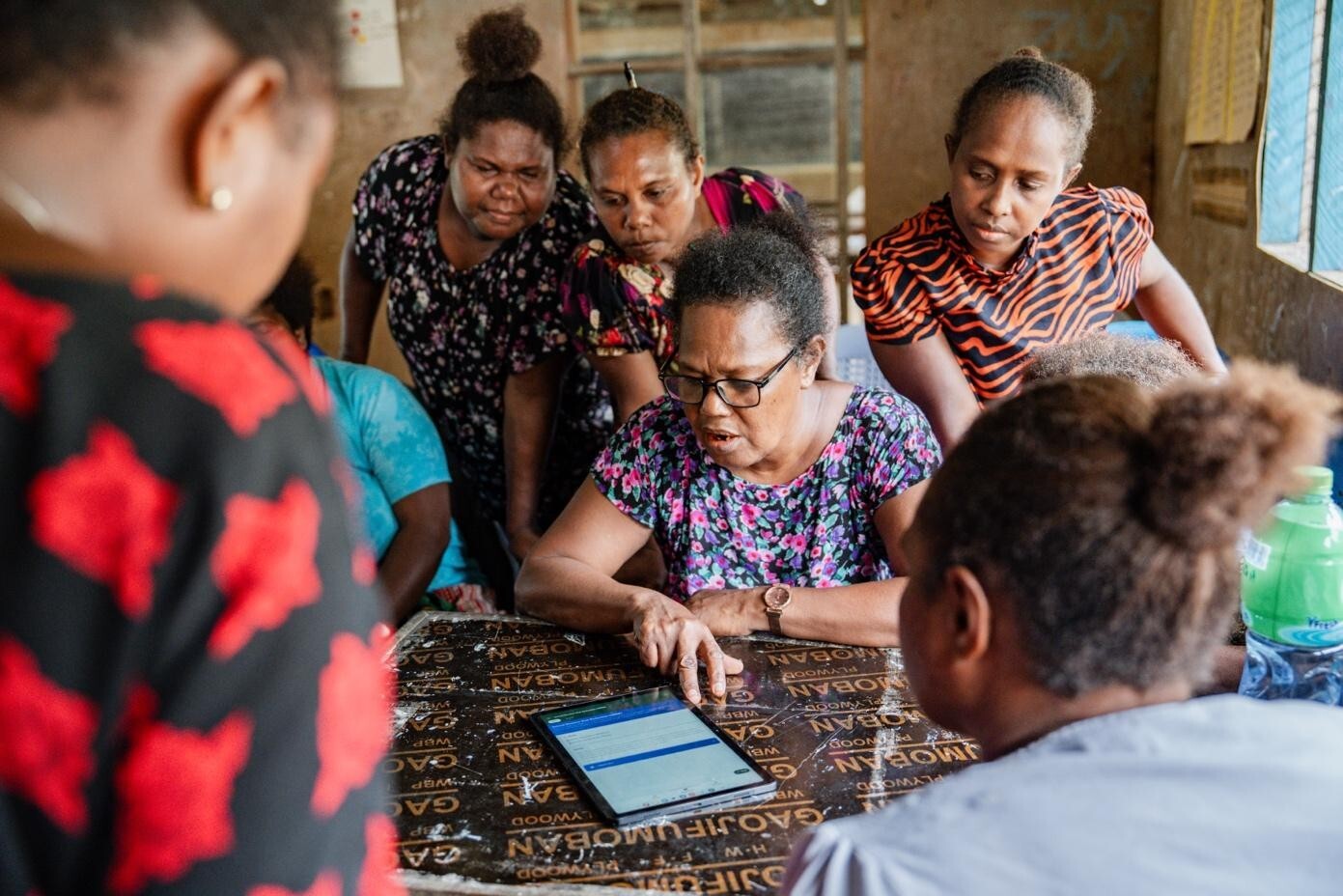
This month, our team took an important step in that direction. We travelled to Central Province to carry out the first field pilot of the SOLKAS digital tools — a mobile app for community members and a web-based portal for government agencies. These tools were co-created with the communities, for the communities, and will be handed over at the conclusion of the project. They were shaped through ongoing collaboration with communities, NDMO, SIMS, and provincial partners, ensuring they reflect real needs and real operating environments.
The tools come in two connected parts: a public-facing mobile app for everyday community members and a web-based portal for the key government agencies responsible for disaster response. Together, they support timely early warnings, trusted disaster-readiness information, and a clearer communication line when a disaster event is unfolding.
It’s that two-way connection that matters most. Information should not only flow from the alerting authorities to the communities, but should also flow from communities to the alerting authorities and response agencies to further support recovery activities where relevant.
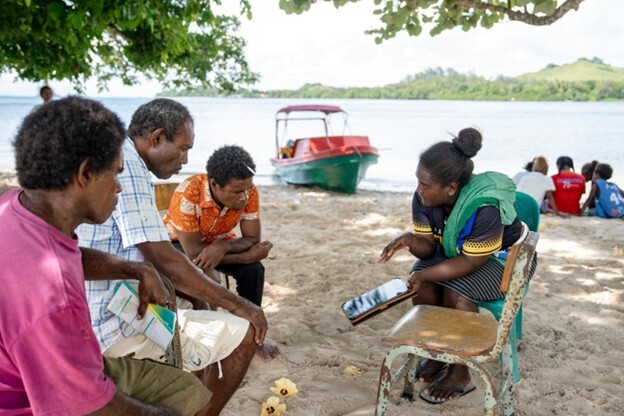
”Now, we feel more confident knowing we can send updates and be heard”
The strongest measure of whether a tool works isn’t found in a design meeting — it’s found in the words of the people who will actually use it. One community member who took part in the testing put it simply:
“Now, we feel more confident knowing we can send updates and be heard.”
That single reflection captures the whole point of the project. Before, the knowledge was already there in the community — people know their rivers, their coastlines, their warning signs better than anyone. What was missing was a trusted channel to carry that knowledge to where it could make a difference.
Why community input isn’t a nice-to-have
It would have been easier, and faster, to build an app in an office and hand it over when ready. We chose not to. From the start, the SOLKAS tools were shaped by listening to local experiences and real user needs, and that listening continues into the pilot phases.
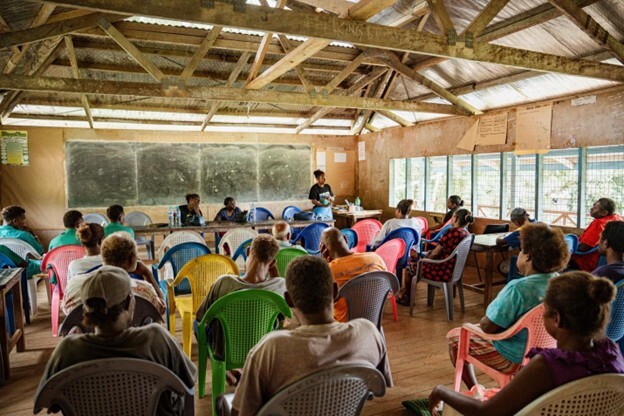
By integrating community input directly into the design, the app has become something better than a clever piece of software. It has become practical, trusted, and genuinely responsive to the realities rural communities face in the Solomon Islands. Embedding elements of trust is not a feature you add at the end; it is built, conversation by conversation, in places like Central Province.
The numbers behind the visit
Across the pilot testing sessions in Central Province, 126 individuals from 3 schools and 5 communities took part — sharing feedback, testing the tools, and offering the kind of grounded insight no design team could generate on its own.
Our team is deeply grateful to these schools and communities for their time, their honesty, and their continued collaboration. Their voices are now built into the tools themselves.
What’s next
This is only the beginning of the pilot phase. Over the coming weeks, our team will be back in the field, visiting more communities and schools across the country to keep testing, keep listening, and keep refining.
Because a disaster-readiness tool is only as strong as the trust behind it — and trust, like readiness, is something you build together, before the storm arrives.