
Our Projects
Traceability and digital data solutions delivered across the Pacific region and Small Islands Developing States.
Project Locations
28 projects
 2025-2026
 SOLKAS Digital Tools
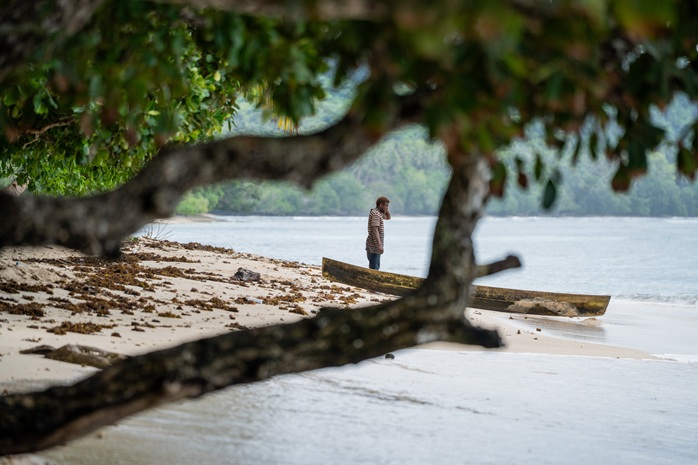
Climate and Disaster ResilienceThe Solomon Islands Knowledge-Action-Sustainability for Resilient Villages (SOLKAS) project is a national initiative strengthening climate and disaster resilience across vulnerable communities in the Solomon Islands. Delivered in partnership with the Solomon Islands Government and Save the Children, the project combines digital innovation, education, and community-led planning to address increasing risks from cyclones, flooding, drought, and sea-level rise. Traseable Solutions played a key role in designing and developing offline-first digital tools that enable remote schools and communities to receive Early Warning System (EWS) alerts in Pijin, conduct local risk assessments, and create adaptation plans without reliance on internet connectivity. Alongside this, the project supports climate-resilient livelihoods and strengthens inclusive local governance through Disaster Risk Committees. SOLKAS bridges the gap between national climate systems and on-the-ground action—ensuring even the most remote communities are equipped to respond, adapt, and thrive in a changing climate.
 2025-2026
 Digital Traceability System
FisheriesHappy Fish is a Sydney-based social enterprise founded by Bondi locals, with a mission to drive ocean regeneration and help consumers and restaurants make sustainable seafood choices. Traseable Solutions developed a blockchain-based digital traceability system that tracks seafood from "bait to plate," capturing key details such as when and where each product was harvested. The system includes a traceability portal that follows fish from catch through to processors, wholesalers, and retailers, alongside a consumer-facing app that makes it easy to identify and source sustainable seafood.
 2025-2026
 iKatch - Coastal Catch Data System
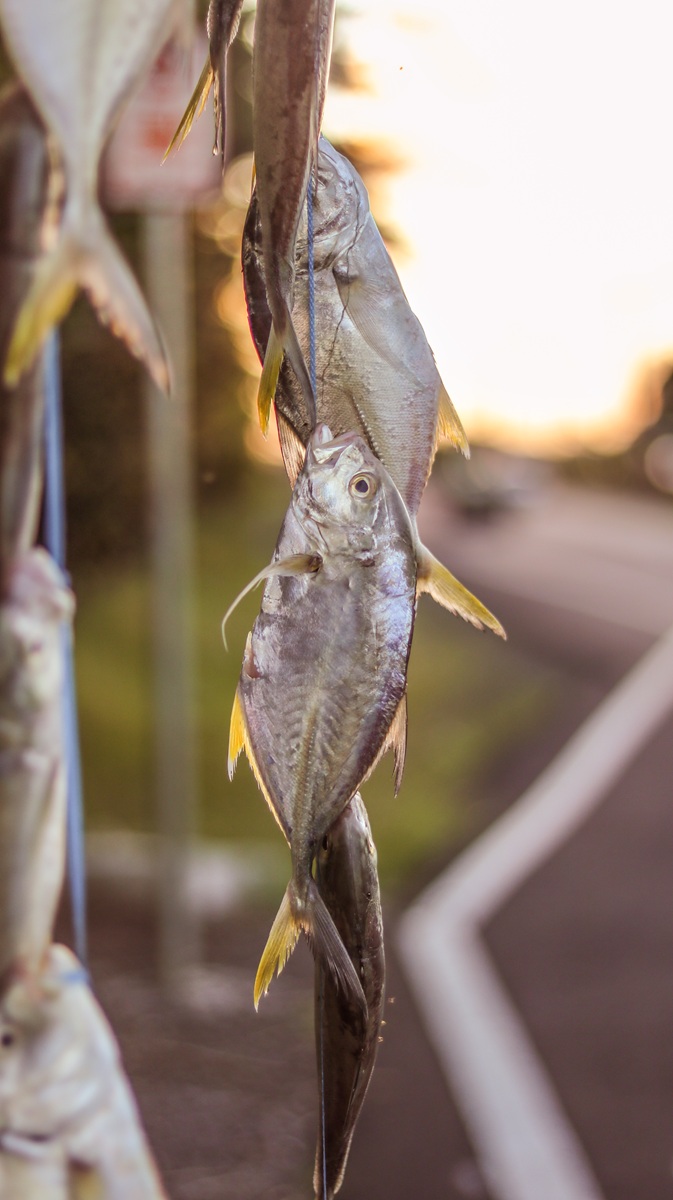
FisheriesTraseable Solutions designed and developed a coastal catch data system - comprising a fisher-facing mobile app and an officer-facing monitoring portal - to improve fisheries monitoring, traceability, and data-driven decision-making. Fishers record catch details including weight, species, and landing site via the app, while CI officers monitor and process records through the portal. The system is being piloted across 6 islands in the Lau Group, supporting conservation efforts and sustainable coastal resource management across the region.
 2025-2026
 Risk Profiling Methodology for National Disaster Risk Management Office
Climate and Disaster ResilienceIn partnership with Pacific Resilience Consulting, Traseable Solutions is supporting Fiji's National Disaster Risk Management Office (NDRMO) and the Pacific Community (SPC) to develop a standardised, multi-hazard risk profiling methodology for use across government agencies. The core work involves converting raw hazard and vulnerability indicators — currently held in non-standard formats across siloed agencies — into a common quantifiable score that feeds into Fiji's National Disaster Risk Information System (N-DRIS) and is visualised on an ArcGIS web-based GIS platform. The methodology covers the full disaster management cycle, addressing both natural and man-made hazards, and is designed to serve as a shared standard for risk-informed business planning across government. Sustained stakeholder engagement with technical agencies including the Mineral Resources Department, Meteorological Service, and Department of Climate Change is central to ensuring the methodology is adopted and owned across the sector.
 2025-2026
 Feasibility Study for the Establishment of a Centralised Asset Tracking Hub for FFA
FisheriesThe Pacific Islands Forum Fisheries Agency (FFA) is developing a Centralised Regional Asset Tracking Hub to improve the safety and accountability of fisheries observers operating across the Western and Central Pacific. The initiative responds to critical gaps identified following the Observer Livelihood and Safety Study, which highlighted systemic weaknesses in tracking essential safety equipment such as personal locator beacons, satellite communication devices, and life vests. Traseable Solutions is supporting the design and development of an integrated asset management module within the Regional Information Management Facility (RIMF), linking physical safety gear directly to observer deployments and active fishing trips. The system enables real-time SOS traceability, automated maintenance alerts, and seamless integration with national fisheries systems, while enforcing structured digital custody workflows. By delivering real-time visibility and lifecycle management of safety equipment, the Hub strengthens regional duty of care—ensuring observers monitoring the Pacific’s tuna fisheries are equipped, protected, and supported at all times.
 2025-2026
 CCAMLR Fisheries Boarding and Inspection Tool
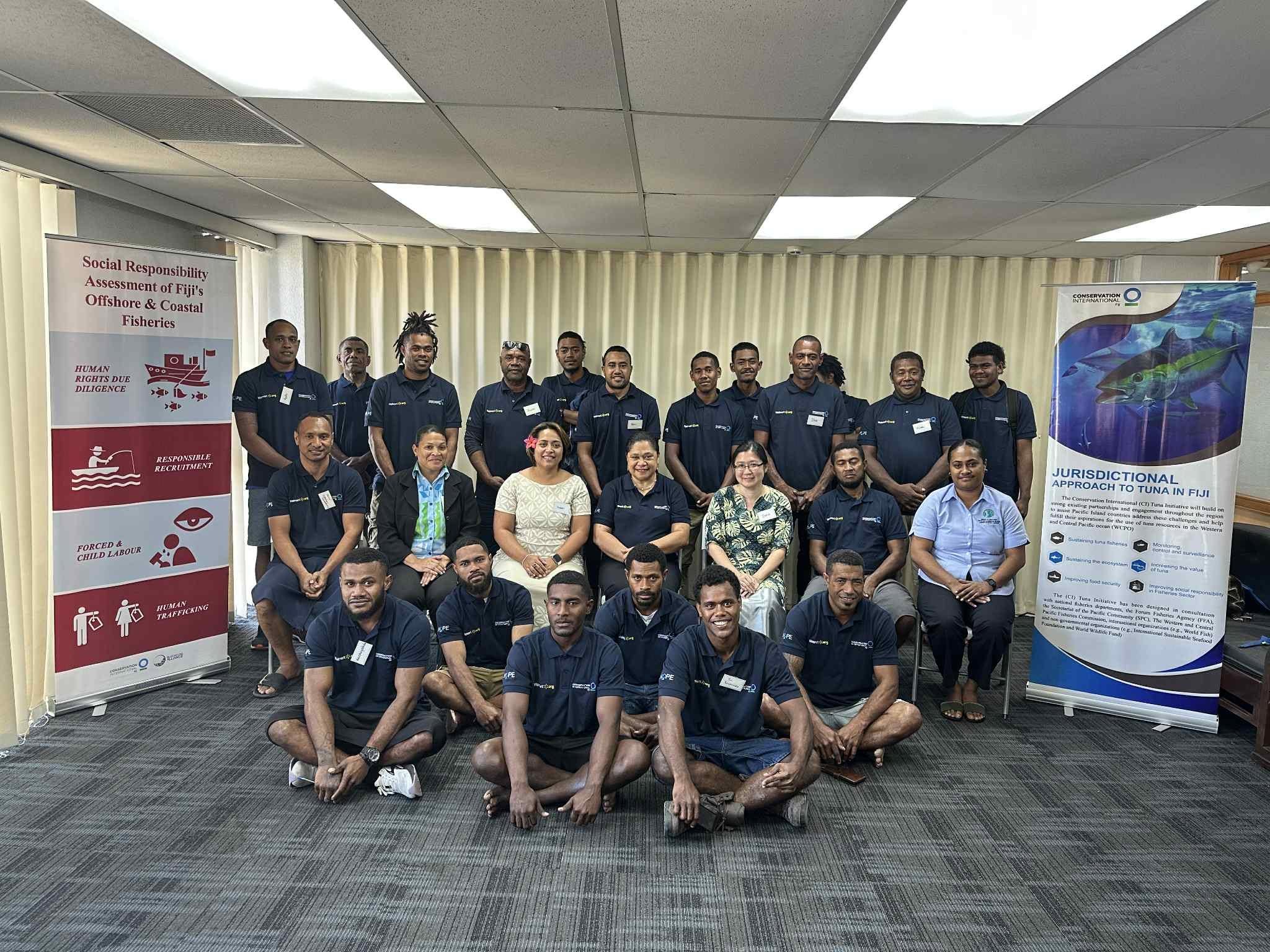
FisheriesBuilding on the BaIT system developed for Fiji, Traseable Solutions was engaged by the IMCS Network to adapt and extend the platform for the Commission for the Conservation of Antarctic Marine Living Resources (CCAMLR), modernising its at-sea and in-port vessel inspection processes across member nations. The solution digitises CCAMLR's paper inspection forms — previously prone to legibility errors and data entry delays that hindered IUU fishing compliance verification — into an integrated web portal and offline-capable Android mobile app. Inspectors can capture data aboard vessels without connectivity, with records syncing automatically to the portal once online. The app supports French and Spanish translations in line with CCAMLR's multilingual forms, and the system features role-based access for Admin, Secretariat, Member Authority, Inspector, and Vessel Operator users — ensuring data is appropriately visible and restricted across CCAMLR's international membership.
 2025
2025 Know Your Rights Training
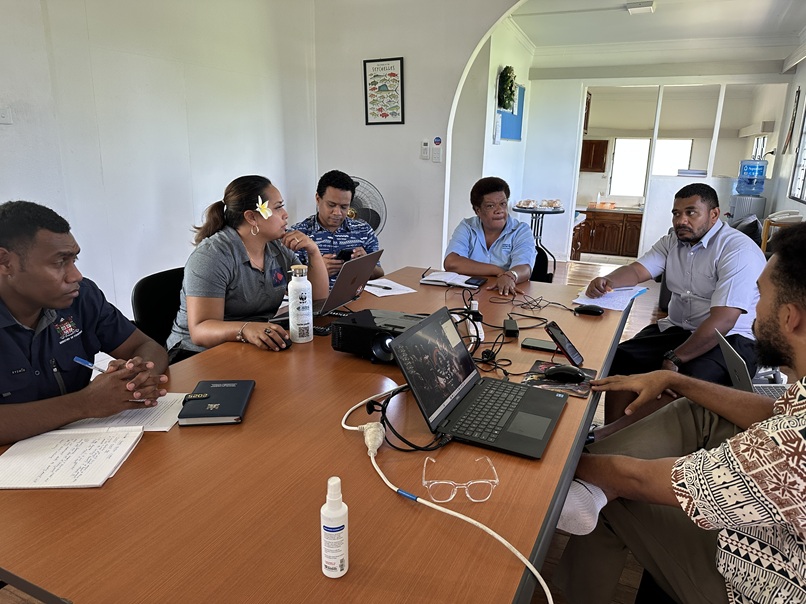
FisheriesConservation International engaged Traseable to design and deliver a "Know Your Rights" (KYR) awareness training for fishers in Fiji, equipping local rights holders with a practical understanding of their basic human and labour rights. Delivered as an extension of Traseable's Social Responsibility Assessment (SRA) work in the region, the one-day workshop was tailored for Fijian national fishers and fishing crew — designing accessible, plain-language content and interactive, case-study-based activities suited to participants with varied levels of formal education. Traseable developed the training curriculum, facilitated the in-person session, and produced pre- and post-training evaluations to measure impact, culminating in a final workshop report delivered in September 2025. The training strengthened fishers' awareness of their rights and contributed to CI's broader programme on decent work and social responsibility in Pacific fisheries.
 2024-2025
 Catch Accountancy System
FisheriesThe Catch Accountancy System (CAS) is an integrated web-based platform developed for Fiji's Ministry of Fisheries to track and reconcile all landed offshore catch, ensuring every legal catch is accounted for and preventing illegal fish laundering. The system captures real-time data from permits, inspections, unloading, and processing activities, enabling officers to verify catch more accurately while tracking the full mass balance of landed fish. Industry users can access key data and record directly into CAS for timely catch accounting. The result is a significant improvement in fisheries transparency, traceability, and accountability across Fiji's offshore sector.
 2024
2024 Kava Traceability System
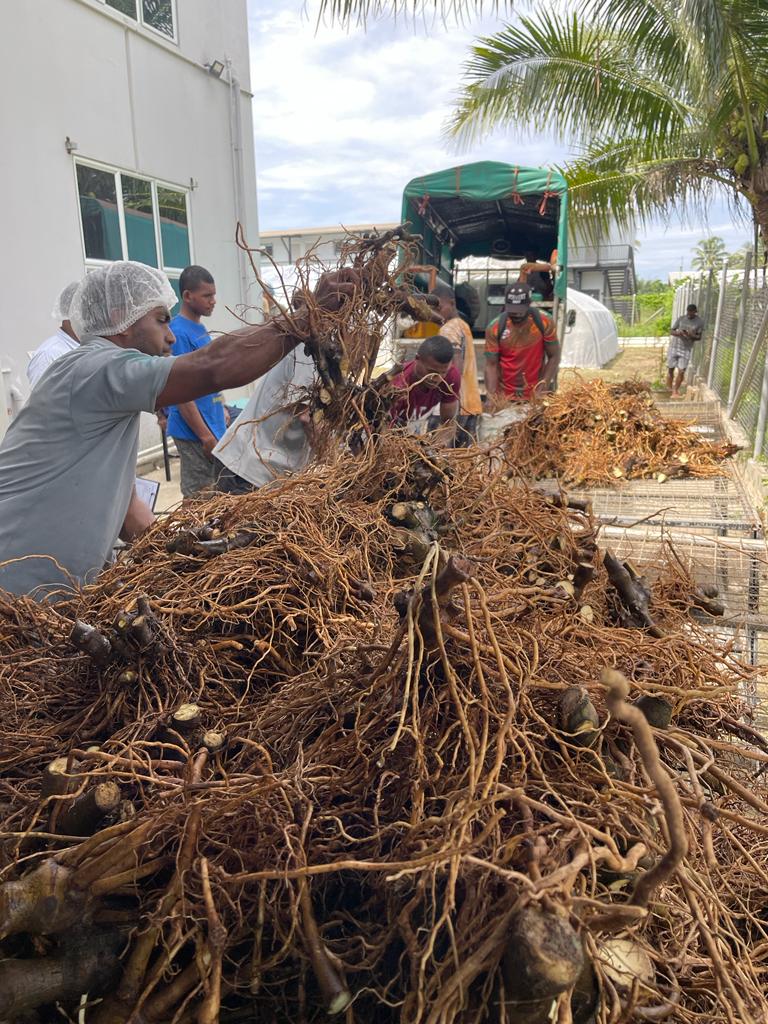
AgricultureThe Calmer Co. is an international Noble Kava company based in Fiji, operating a vertically integrated farm-to-shelf supply chain across global markets. Traseable Solutions developed a comprehensive digital traceability system to digitise their internal control processes, tracking kava from farmers through every production stage — washing, drying, and milling — to the finished product. The system captures supply and receival data, monitors production in real time, and enables end-to-end traceability from final product back to source, ensuring compliance with international standards. The result is a fully transparent supply chain, improved oversight, faster reporting, and a strengthened position as a trusted premium kava supplier.
 2024-2025
 Register of Fishing Rights
FisheriesThe Register of Fishing Rights (RFR) is a web-based database application developed for the Forum Fisheries Agency (FFA) and the South Pacific Group (SPG) to implement the Zone-Based Management Agreement (ZBMA) for the South Pacific albacore fishery. Functioning as a real-time ledger, the RFR manages Party Annual Catch Allocations (PACA) for SPG member countries — tracking catch usage, monitoring allocation balances, and facilitating transactions such as the trading and pooling of fishing rights between parties. The system integrates with the Pacific Community's (SPC) Catch Estimation and Visualisation Tool (CEVT) for albacore catch data and incorporates vessel-level catch monitoring, ensuring accurate, up-to-date oversight of the fishery and maximising the net economic benefits from its sustainable use.
 2024-2025
 Business Plan Reporting System
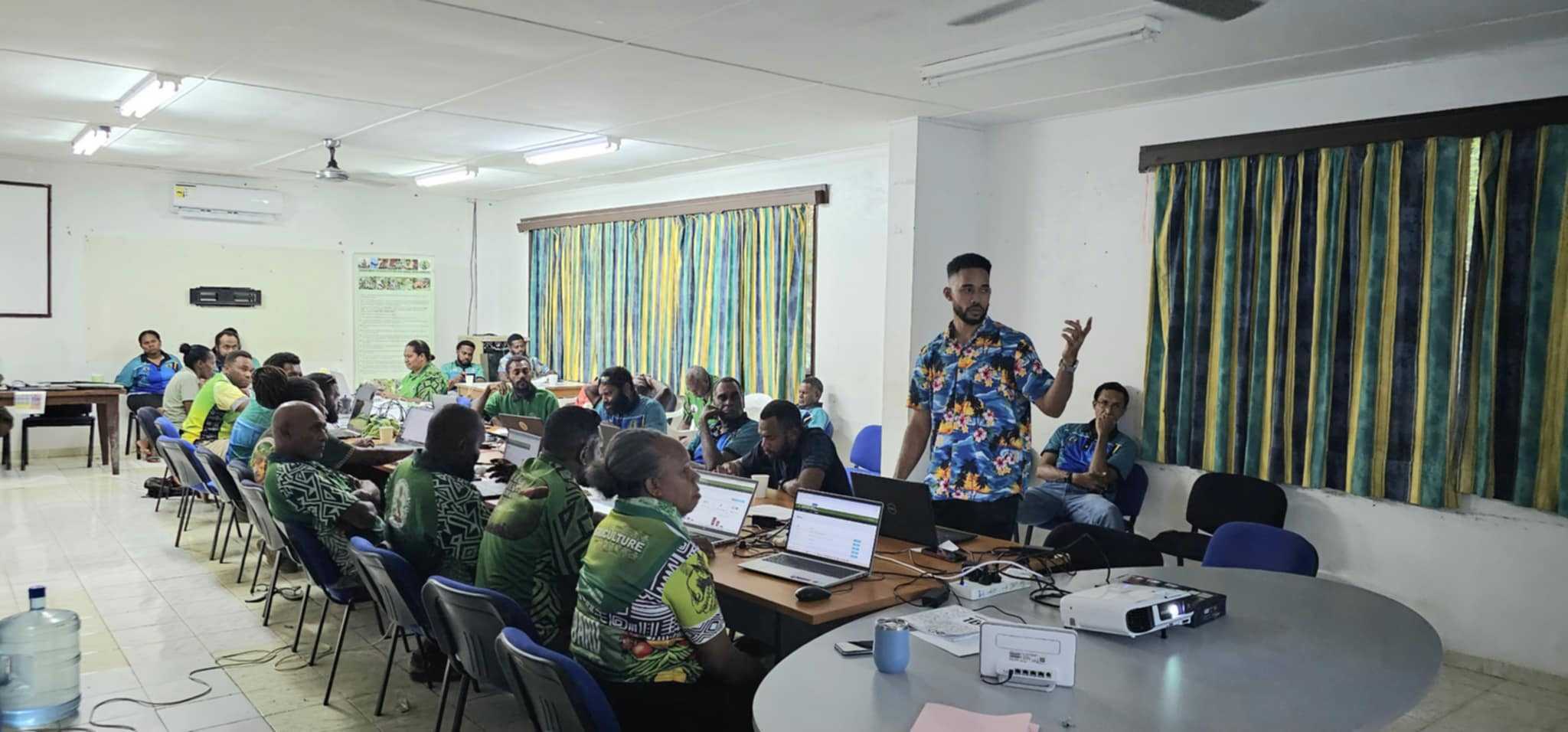
AgricultureThe Business Plan Reporting System (BPRS) is an integrated web and mobile platform developed for Vanuatu's Department of Agriculture and Rural Development (DARD) to replace a manual, spreadsheet-based reporting process that had long caused delays and data loss. The system allows DARD to create and configure its annual business plan — setting programs, activities, targets, and revenue plans down to the provincial and Area Council level — and enables officers across all levels to report progress, capture activity data, and submit narrative updates in near real time. Role-based access ensures each user sees only data relevant to their assigned location and responsibilities, while automated notifications improve the timeliness of submissions. The result is a centralised digital repository that gives DARD accurate, up-to-date visibility over its performance against annual targets.
 2024-2025
 Digisation of Republic of Fiji Military Forces Personnel Records
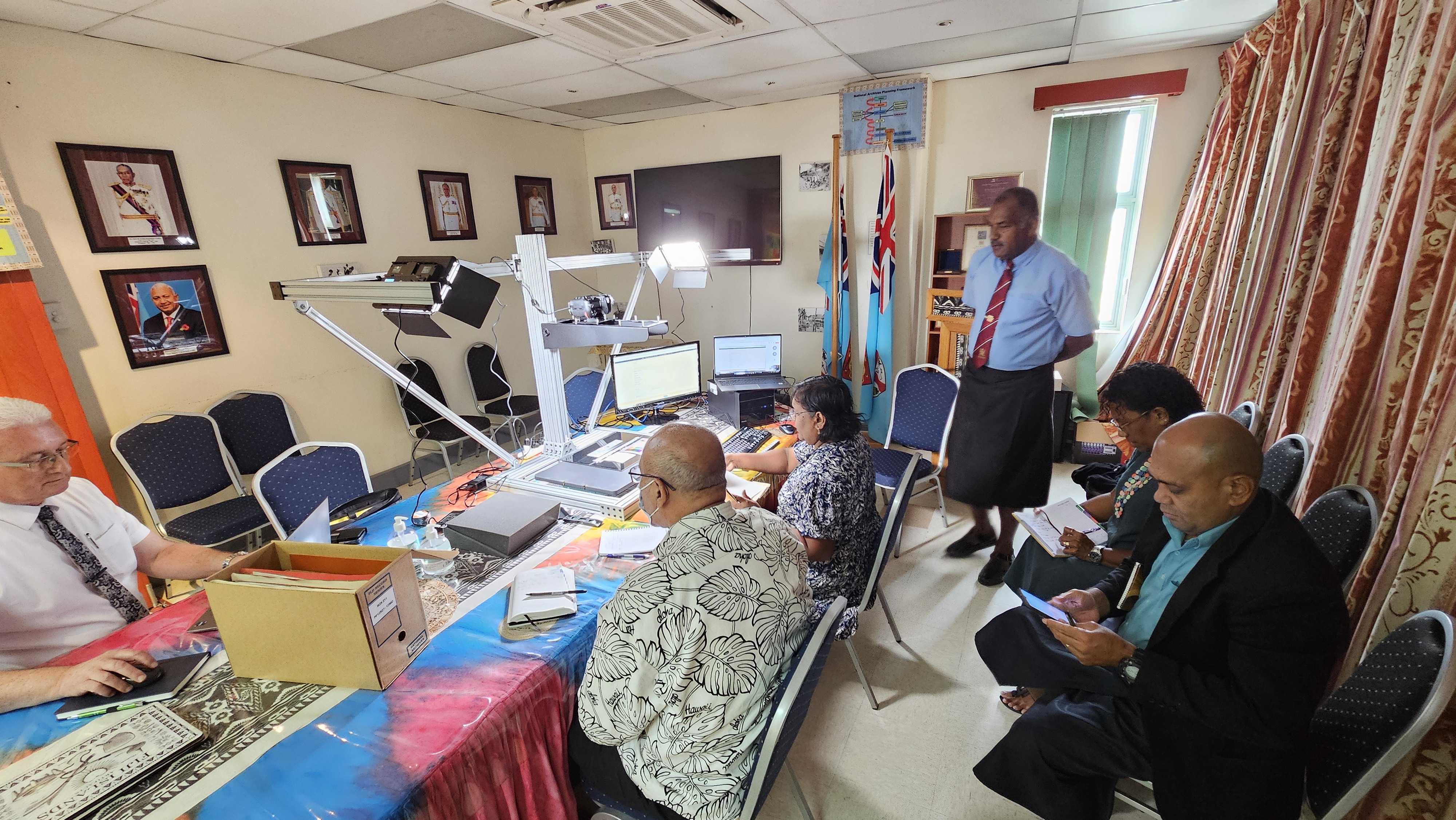
DigitsationEngaged by FamilySearch as the local subcontractor, Traseable Solutions led the on-site digitisation of the Republic of Fiji Military Forces' (RFMF) historical personnel records — spanning from 1870 to 2022 — converting deteriorating and fragmented physical archives into high-resolution, indexed digital formats. The project covered an estimated 700,000 images across approximately 35,000 personnel files, capturing key pages including soldiers' name and regiment details, career history sheets, and personal information records. Work was conducted across two phases, beginning at the National Archives of Fiji and continuing at Queen Elizabeth Barracks, with Traseable providing equipment training to RFMF staff to support ongoing in-house capture. The digitised records are published on the FamilySearch website, enabling families to connect with Fiji's military history across generations, while giving the RFMF secure, instant access to veterans' service histories and entitlements.
 2024-2025
 Competent Authority Information Management System
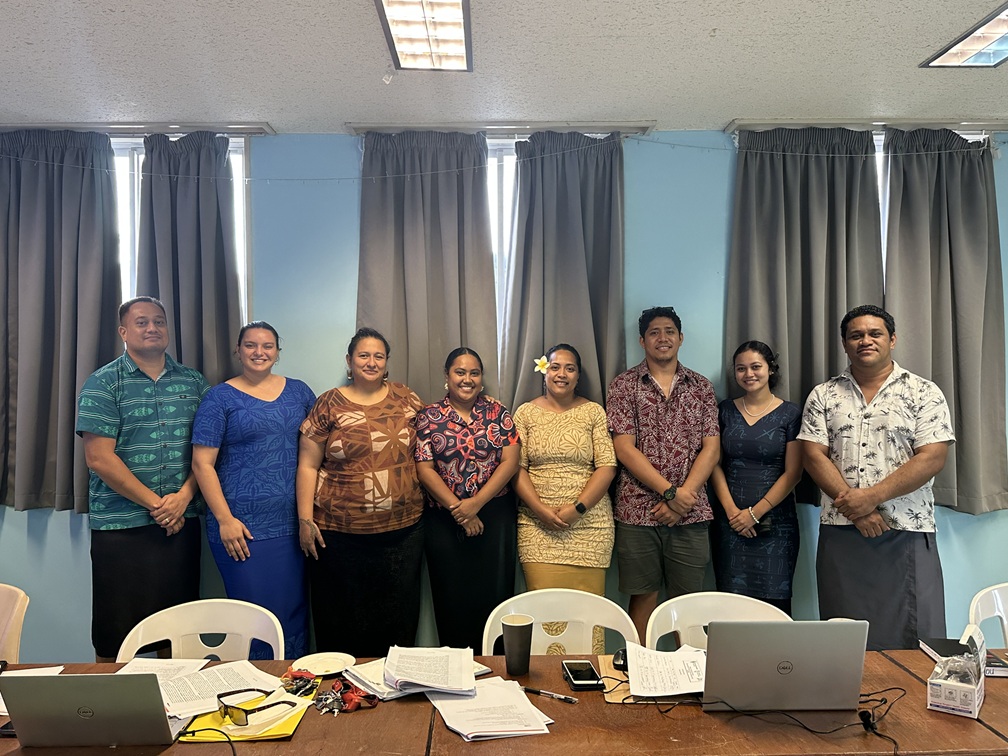
FisheriesEngaged under the SAFPROM Project, Traseable Solutions developed a web-based information management system for the Competent Authority/Seafood Safety Verification Unit (CA/SSVU) within Samoa's Ministry of Agriculture and Fisheries — replacing a fragmented mix of spreadsheets and an outdated Access database that had made the unit's core work slow and difficult to manage. The system streamlines the CA/SSVU's key functions, including export verifications and certifications, fish processing licence management, and audit and inspection reporting. By centralising data that previously stretched back to 1995 across unusable legacy systems, the platform significantly reduces the time officers spend tracing and verifying seafood catch, strengthening the accuracy and transparency of Samoa's catch certification system.
 2024-2026
 Fisheries Information Management System - Phase 2
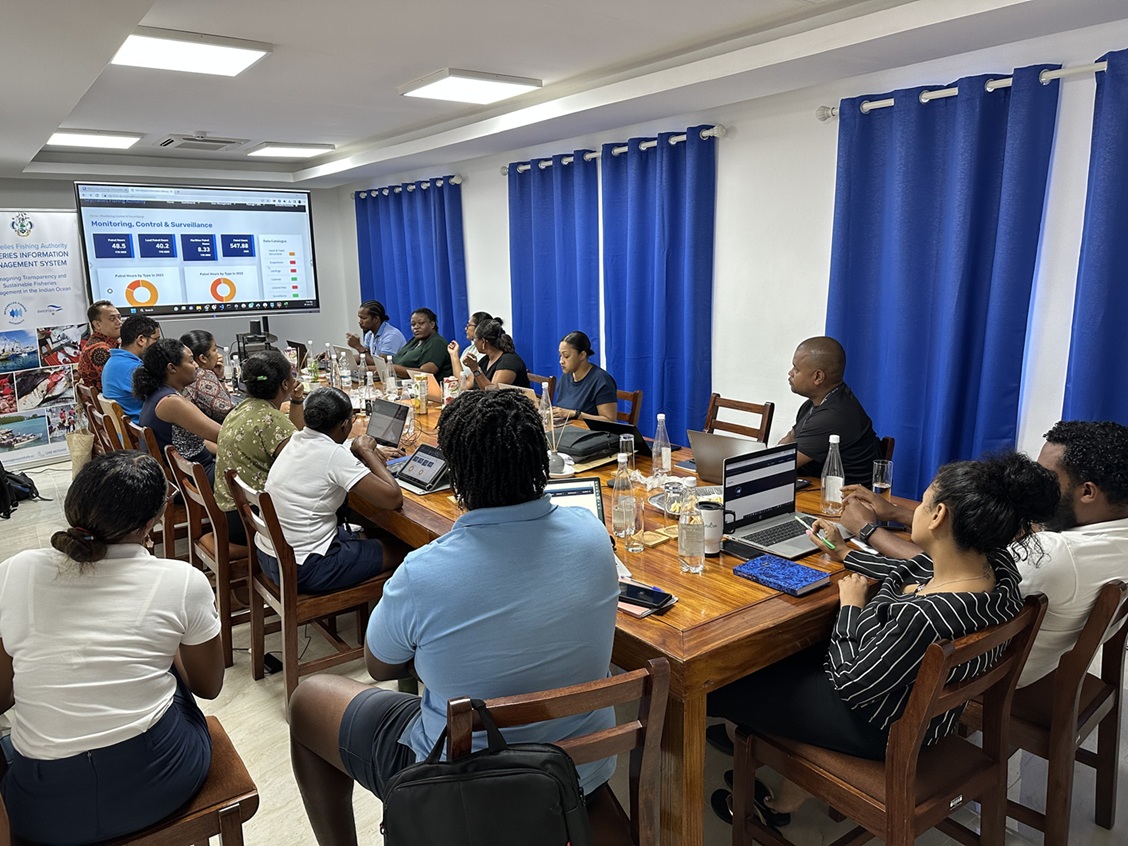
FisheriesBuilding on the foundation established in Phase 1, Traseable Solutions was engaged by the Seychelles Fisheries Authority (SFA) to develop additional operational modules for the FIMS, digitising manual, paper-based processes into consolidated digital workflows. Phase 2 focused on two core modules — Port Management & Facilities, covering sales, dues, port fees, ice plant operations, and vessel movements; and Fisheries Economics, covering company registration, vessel port calls, bunkering, expenditures, trade data, and employment statistics. A Document Tracking System was also added to monitor the status of essential documents such as logbooks, landings, and sampling forms across licensed vessel fleets. The work includes an Android mobile app to support field and port data capture, and migration of all historical data into the FIMS to ensure centralised management across SFA's operations.
 2024
2024 ILO Research on Trade Union Representation for Fishers in the Pacific
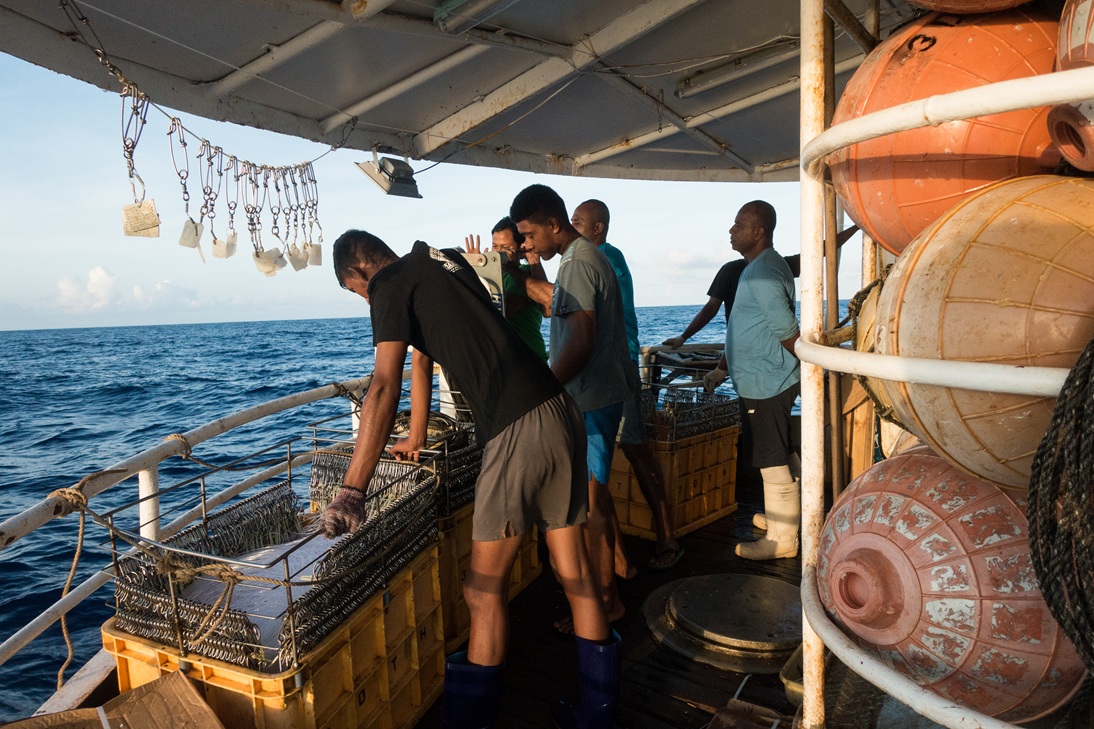
FisheriesEngaged by the International Labour Organization (ILO) Country Office for Pacific Island Countries to conduct a mapping study on trade union representation for fishers working on fishing vessels across five Pacific Island Countries — Fiji, Kiribati, Papua New Guinea, Samoa, and Solomon Islands. The study employed a mixed-methods approach combining desktop review and key informant interviews with 15 stakeholders from trade unions, fishing industry associations, fisheries authorities, and NGOs across eight Pacific Island Countries. Key findings revealed that fisher-specific trade unions are largely absent across the region, with most unions facing significant capacity constraints including limited administrative resources, low membership, and an absence of collective bargaining agreements. The study identified opportunities to strengthen fisher representation through partnerships, diversified funding models, targeted awareness campaigns, and technology adoption, and drew on two Asian case studies — the Keelung Migrant Fishermen’s Union in Taiwan and the ITF’s Fishers’ Rights Network in Thailand — to provide actionable recommendations for the Pacific context. Findings from this study are intended to inform ILO’s technical assistance to Pacific Island Countries under the joint Labour Standards on Fishing Vessels project implemented in partnership with the Pacific Islands Forum Fisheries Agency (FFA), IOM, and UNODC.
 2023-2024
 Fisheries Boarding and Inspection Tool
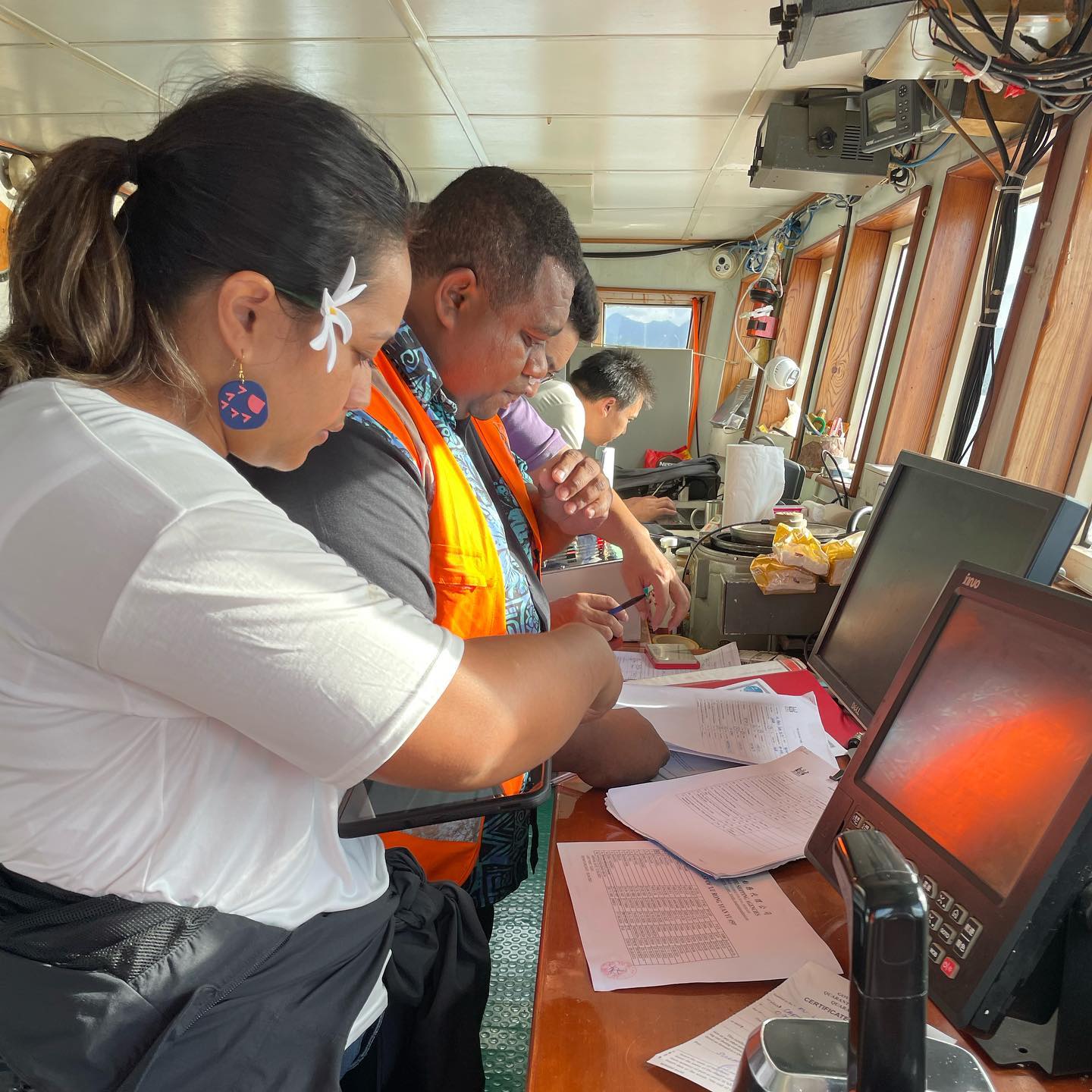
FisheriesDriven by the IMCS Network and Fiji's Ministry of Fisheries and Forestry, Traseable Solutions developed the Boarding and Inspection Tool (BaIT) — a web portal and offline-capable Android mobile app that replaces paper-based vessel inspection forms with a streamlined digital workflow. Fisheries officers can conduct boarding inspections and capture data aboard vessels without internet connectivity, with records automatically synchronised to the portal once back online. The system integrates with Fiji's Electronic Port State Monitoring System (ePSM) and Catch Accountancy System (CAS) via APIs — receiving vessel risk assessments from ePSM and transmitting inspection results back to both systems to support port authorisation, unloading approvals, and catch accounting. The platform also captures data on labour standards and human rights observations aboard fishing vessels, contributing to broader government efforts to improve crew welfare across the Pacific fishing fleet.
 2022-2024
 Fisheries Information Management System - Phase 1
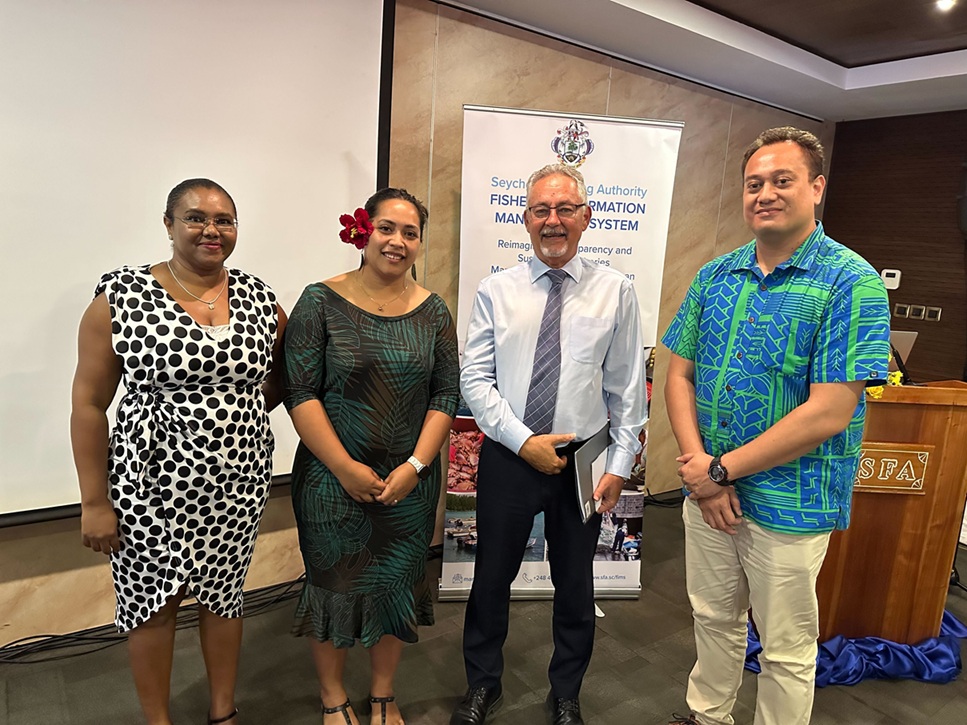
FisheriesEngaged under SWIOFish3 funding, Traseable Solutions developed the foundational Fisheries Information Management System (FIMS) for the Seychelles Fisheries Authority (SFA), establishing a centralised platform for managing and disseminating fisheries data across the authority. Phase 1 focused on migrating and structuring SFA's existing data and building an interactive dashboard to visualise key statistics across licensing, catch and effort, quota consumption, and fisher registration — covering sectors from purse seine and industrial longline through to artisanal and sea cucumber fisheries. The platform was configured on SFA's internal network with role-based permissions and stakeholder access, providing both a public-facing view of fisheries data and a shared internal tool for SFA-wide analysis and reporting. The work laid the foundation for the operational modules developed in Phase 2.
 2022
2022 VitiAgri Data Hub
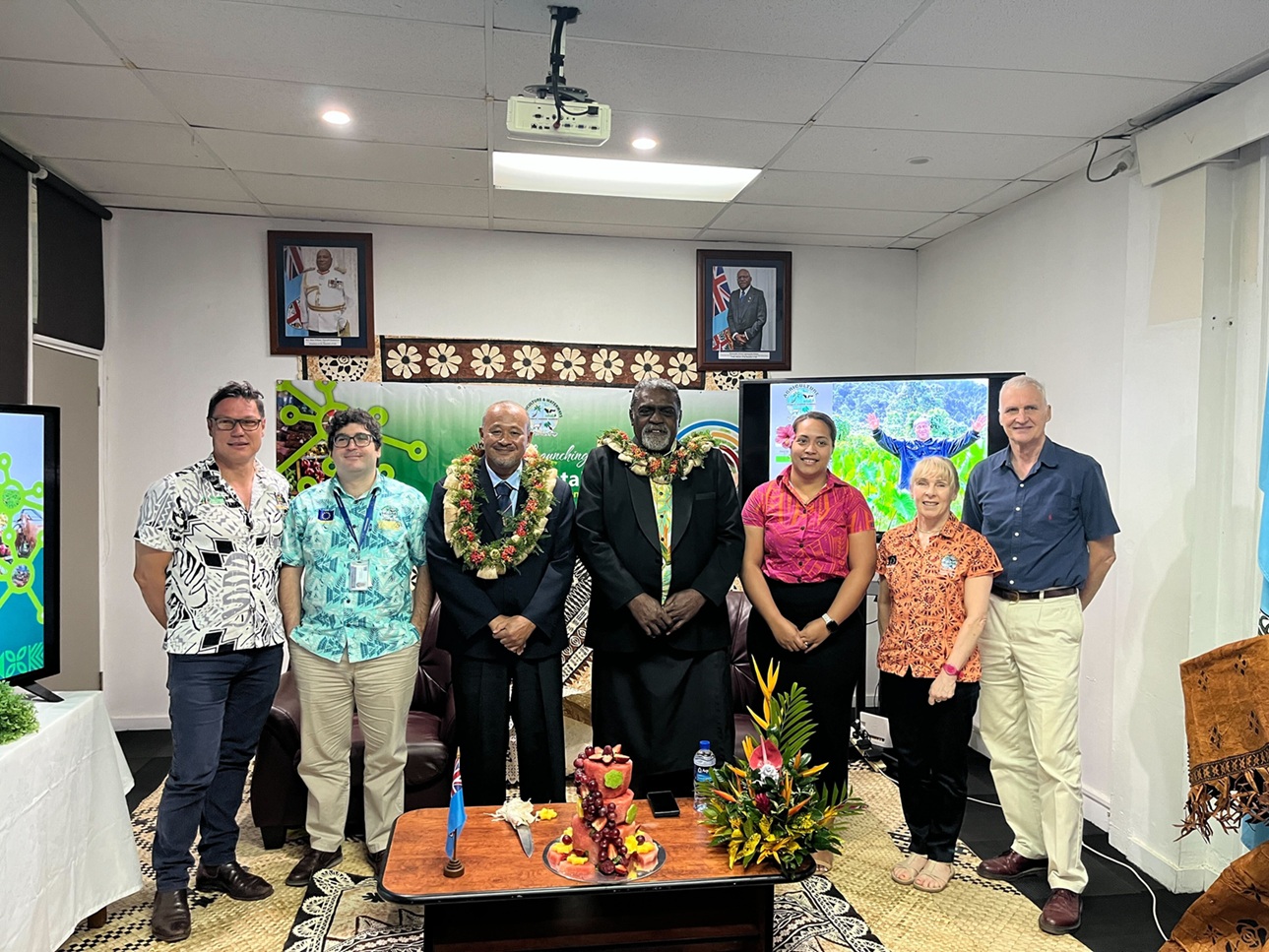
AgricultureThe VitiAgri Data Hub is an e-agriculture platform developed by Traseable Solutions in partnership with Fiji's Ministry of Agriculture, Waterways, and Sugar Industry (MoAWSI). The system centralises agricultural data processing and dissemination through two core components: a web-based platform and integrated Android mobile app, used by MoAWSI staff to capture and manage data directly from the field. The hub manages records for over 100,000 farmers - tracking profiles, farm visits, cluster and cooperative data, and assistance records - while a statistics dashboard provides management with high-level insights including non-sugarcane agriculture GDP, crop and livestock production, and trade data broken down by commodity, geography, and demographic. The result is a unified, data-driven system that supports evidence-based decision-making and strengthens oversight of Fiji's agricultural sector.
 2022
2022 Data Management System
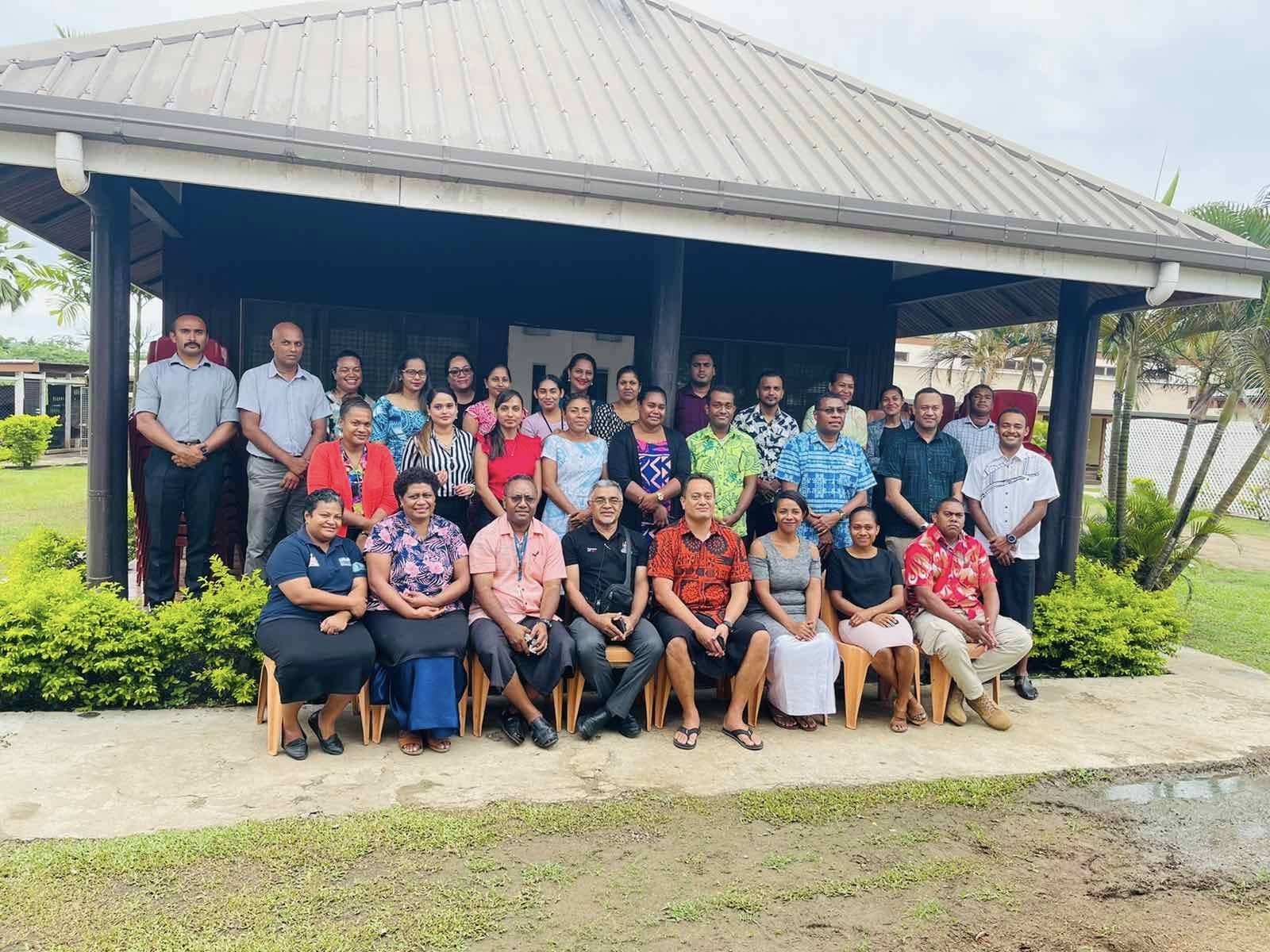
DigitsationTraSeable Solutions designed and built a custom Data Management System for the iTaukei Trust Fund Board (TTFB) to centralise and digitise the management of its community development programs across Fiji. Launched in 2022, the integrated web and mobile platform brings together project and sub-project tracking, configurable field surveys and questionnaires, participant registers, budget and financial management, automated memos, and training records in a single, secure system. The mobile app enables TTFB officers to collect data directly in the field — including in remote communities such as Rotuma, the first dataset deployed on the platform — while the web dashboard gives management real-time visibility and reporting across all programs. TraSeable continues to host, maintain, and enhance the system, most recently delivering a dedicated Cultural Mapping Project (CMP) module to capture and safeguard Rotuman heritage, language, and cultural knowledge for future generations. The solution has become a core operational tool for TTFB, strengthening data-driven decision-making and the preservation of iTaukei community assets.
 2021-2023
 SORMAS Upgrade and Training
DigitsationEngaged by GIZ in collaboration with Fiji's Ministry of Health and Medical Services (MHMS), Traseable Solutions upgraded and enhanced SORMAS — the Surveillance Outbreak Response Management and Analysis System — used for national disease monitoring and response. The core work involved upgrading the application across UAT and production servers to the latest version, configuring the Monkeypox disease module for the Border Health team, enabling disease variant recording, and activating new default modules including Persons and Immunizations. Dashboard improvements and data restoration work ensured a full analytical dataset dating back to 2020 was available for reporting. The project was rounded out with face-to-face technical and user training sessions, and the delivery of a SORMAS Technical Manual — equipping MHMS staff to independently maintain and operate the system going forward.
 2021
2021 Trees of Fiji App
DigitsationDeveloped for GIZ in collaboration with the Fiji Ministry of Forestry and the University of the South Pacific, Traseable Solutions built the Trees of Fiji mobile app - a digital companion to the printed field guide covering the 100 most common tree species in Fiji. The app makes the guide's content freely accessible to the public and gives forestry officers a practical tool for fieldwork, supporting the Ministry's vision of sustainable forest management. Built on the Ionic framework for Android, the app was designed with minimal storage requirements to suit connectivity and device constraints common among users in Fiji. All source code and back-end files were handed over to the Ministry of Forestry and GIZ via GitHub upon completion.
 2020
2020 Crowdsourcing Market Prices – Assessing the Impact of COVID-19
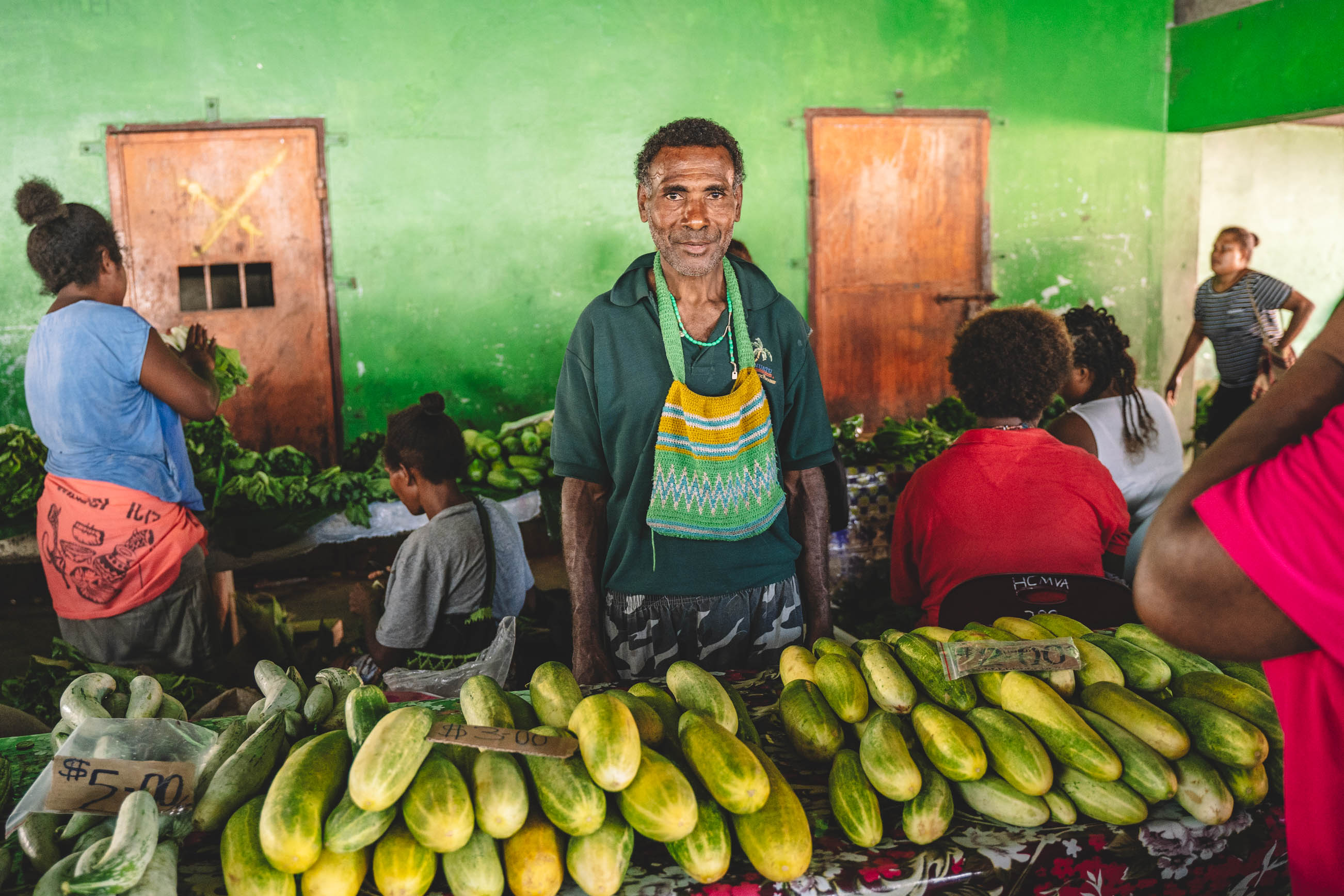
AgricultureTraseable Solutions supported a rapid regional assessment of COVID-19 impacts on food markets across Fiji, Samoa, and the Solomon Islands, using a novel crowdsourcing approach to collect real-time market data. Within one month, over 30,000 price data points and thousands of geo-referenced images were captured across 21 locations through mobile data collection tools, demonstrating the feasibility of scalable, low-cost data gathering in small island contexts. The assessment revealed that while food availability remained stable, market activity declined significantly, with fewer customers, slower sales, and shifting price dynamics across commodities. Importantly, the project validated crowdsourcing as a viable alternative to traditional data collection methods and highlighted the potential of the TraSeable Farms platform to support ongoing market monitoring. The initiative provides a strong foundation for data-driven policy, enabling governments and partners to better respond to shocks, strengthen food security, and design more resilient agricultural systems across the Pacific.
 2020
2020 Food Systems Mapping
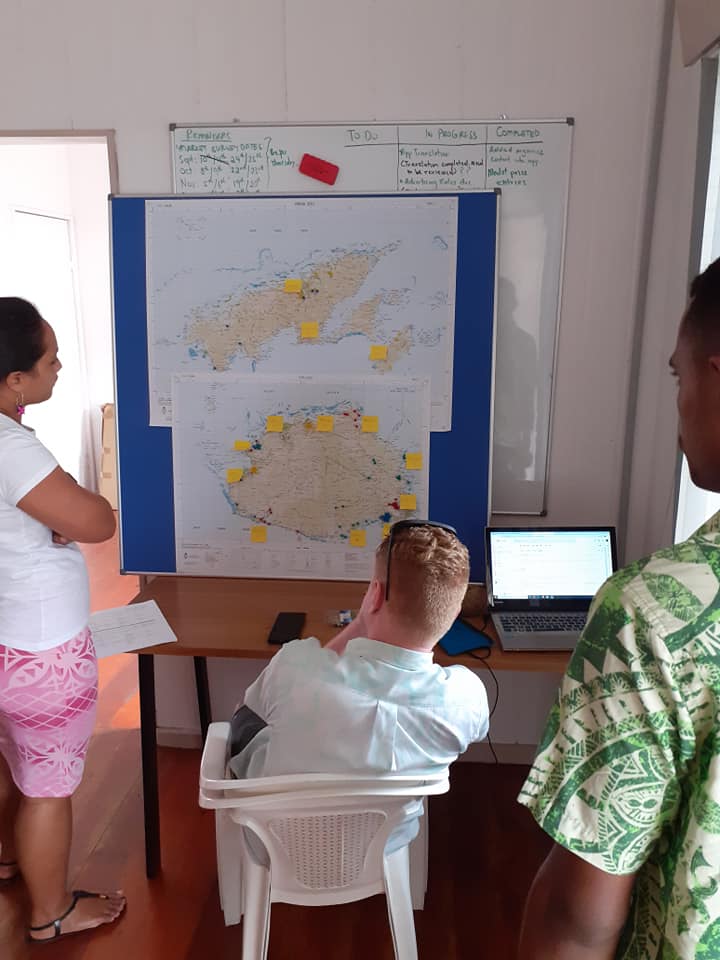
AgricultureContracted by the University of the Sunshine Coast (USC) and the Food and Agriculture Organization (FAO), Traseable Solutions managed the data collection phase of a food systems mapping study investigating food behaviours and the nutrition environment in Fiji. The study formed part of a broader initiative to inform public health policy on obesity and non-communicable diseases across Pacific Island countries. Traseable recruited, trained, and managed enumerators to conduct surveys across urban centres and 92 schools on Viti Levu and Vanua Levu — covering school food environments, healthy food basket pricing, consumer purchasing behaviours at fresh food markets, and detailed dietary intake interviews. Data was collected electronically using KoBoToolbox configured for offline use, ensuring reliable capture across areas with limited connectivity.
 2019-2020
 Horticulture Produce Digital Traceability
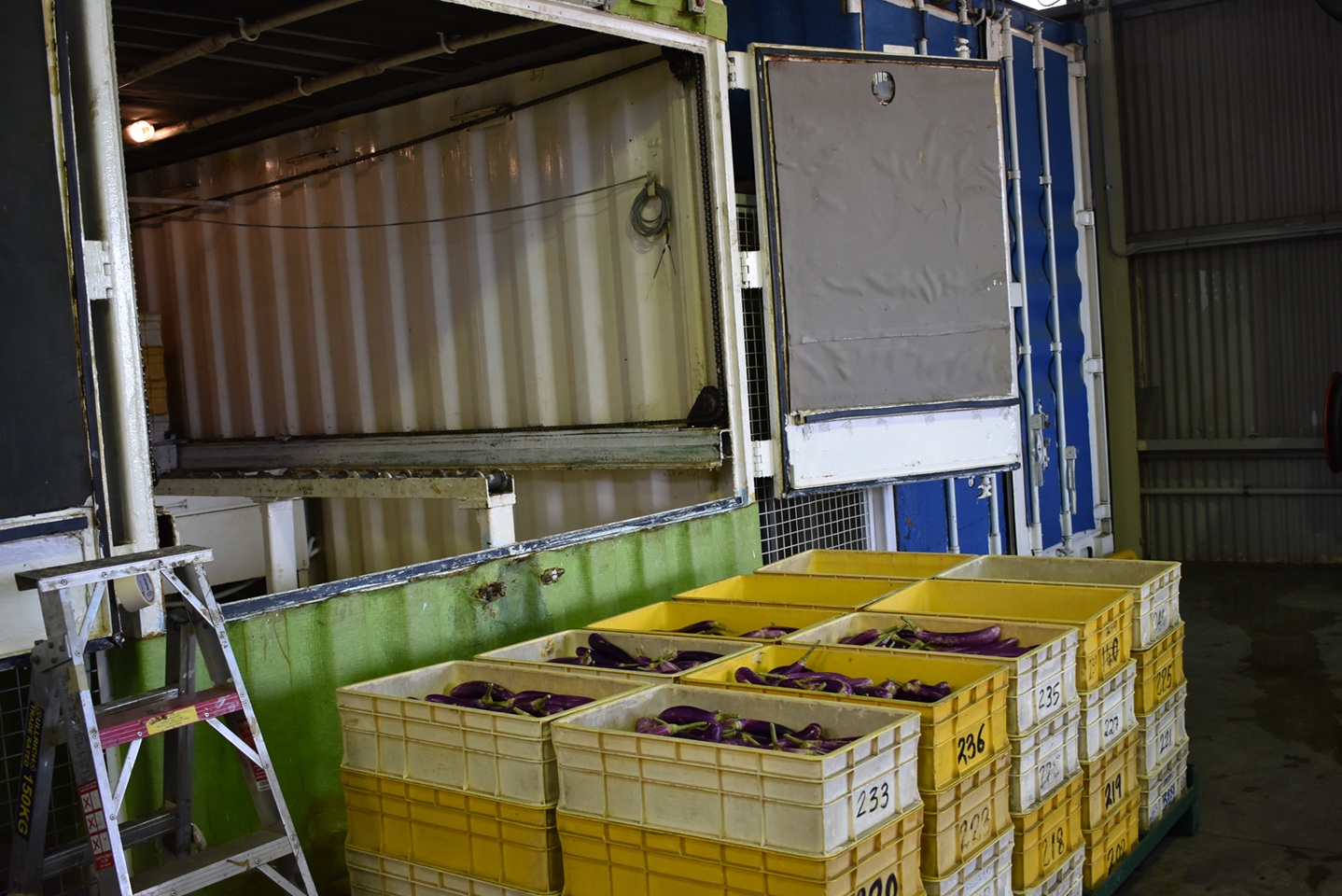
AgricultureContracted by Nature's Way Cooperative (NWC) under the Innovative Grant Facility for Pacific Agro-SMEs, Traseable Solutions digitised NWC's manual, paper-based operations into a web-based traceability system for fresh fruit and vegetable exports. The platform links electronic grower supply data with quarantine treatment records for NWC's Heat Treatment for Australia and New Zealand (HTFA) operations, and enables traceback to source farms via QR codes printed on export boxes — replacing the previous stamped code system and streamlining response to pest interceptions or quality issues. The system covers grower, exporter, and importer profiles, treatment and export tracking, and analytics, and was later integrated with the Traseable Farms platform for ongoing hosting and service. NWC has continued to use and renew the system annually since its completion in 2020.
 2019-2020
 Rural Agriculture Training Database
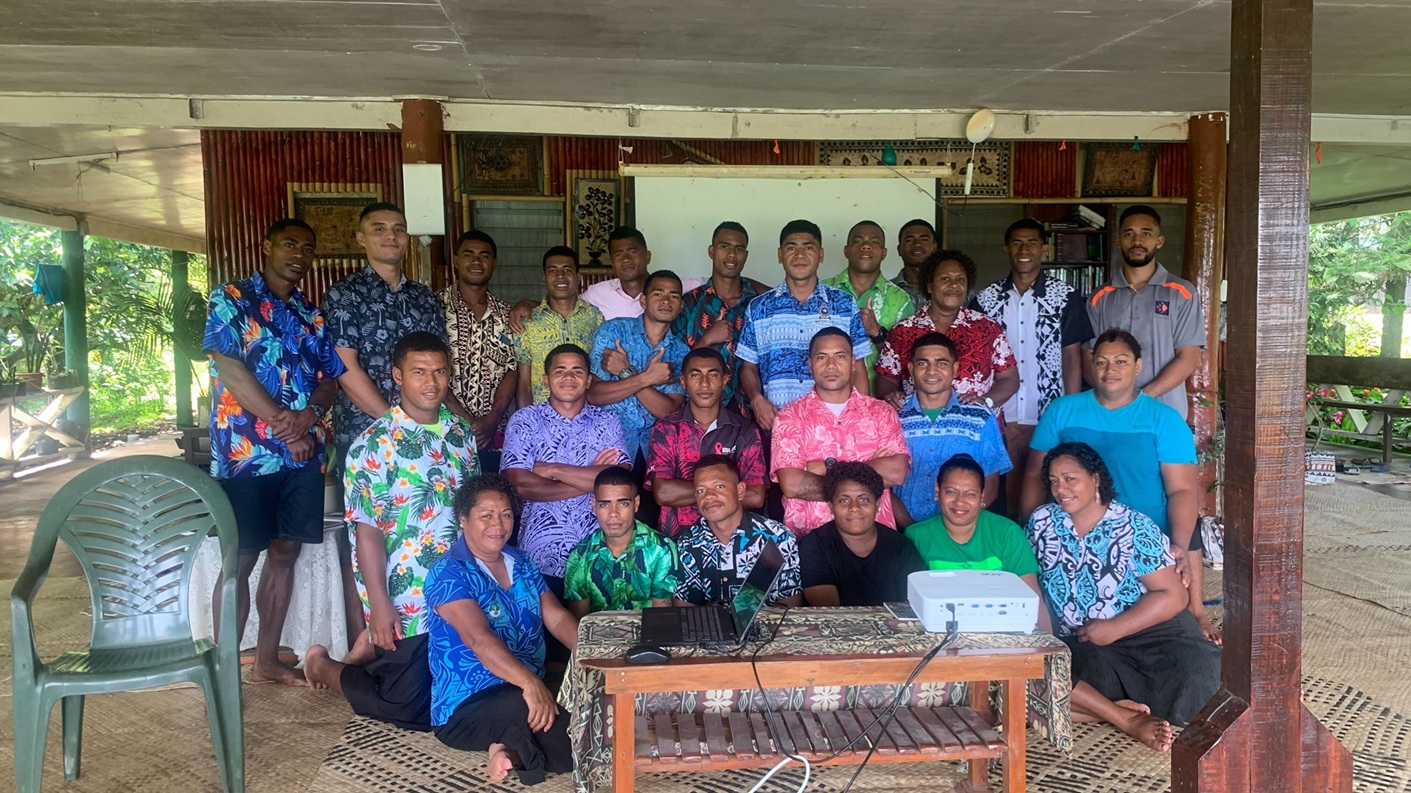
AgricultureFiji's oldest training school, Tutu Rural Training Center, required the ability to track the performance of all their training participants to strengthen their ability to help young rural farmers. We developed a database tool that allows Tutu to record performance against several measures for all their training participants, especially in their flagship Kevin Young Farmer course.
 2018-2022
 Traseable Farms
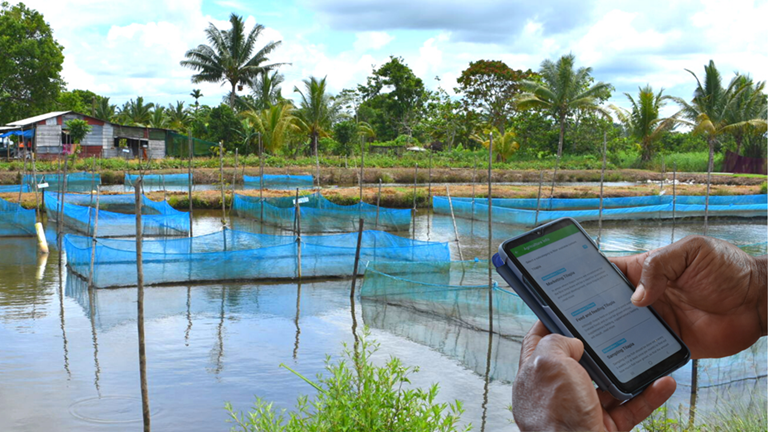
AgricultureTraseable Farms is a modular, scalable digital agriculture platform — comprising a web application and an offline-capable Android mobile app — developed in partnership with the Pacific Islands Farmers Organisation Network (PIFON) to address common data and connectivity challenges facing farmer organisations across the Pacific. The platform enables national agriculture agencies, farmer organisations, and agribusinesses to manage detailed farmer profiles, track assistance programs, subsidies and grants, record farm production and financial data, and generate performance reports. The mobile app extended these capabilities into the field with local weather forecasts, agriculture news, market prices, and a digital marketplace. Initially supported by funding secured at the Pacific Agri-Hack Lab in 2018, the platform grew to host over 15,000 farmer records across 13 organisations in seven Pacific countries.
 2018-2019
 Blockchain App for Fisheries
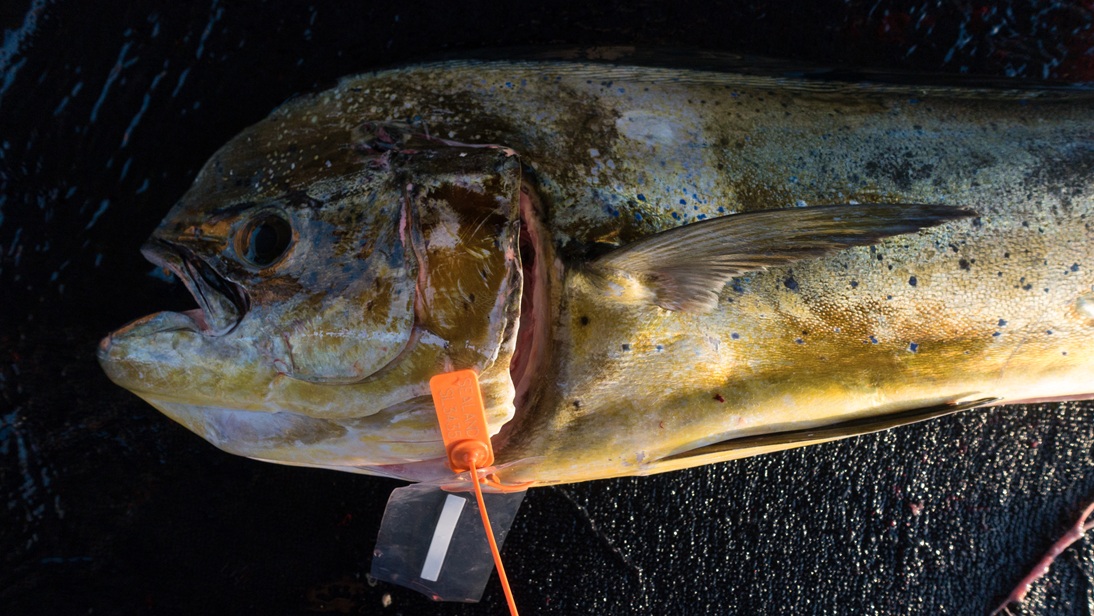
FisheriesEngaged by the Secretariat of the Pacific Community (SPC) Offshore Fisheries Program, Traseable Solutions developed a prototype blockchain-based traceability system to explore the use of distributed ledger technology in the Pacific longline tuna fishery. The system comprised an offline-capable mobile app for field data capture and a React.js-built blockchain explorer for viewing records, built on the Ethereum platform. Designed to track individual fish from catch through to processed product, the system captured key data elements across the full supply chain — including vessel catch data, port landings, port sampling, and factory processing — creating an immutable record that could be used to verify catch integrity, identify misreporting, and support sustainable catch certification for small island developing states. The project demonstrated a viable pathway for integrating blockchain technology with SPC's existing fisheries applications such as TUFMAN2 to strengthen transparency and combat IUU fishing across the Pacific.
 2017-2018
 Tuna Traceability with Blockchain Technology
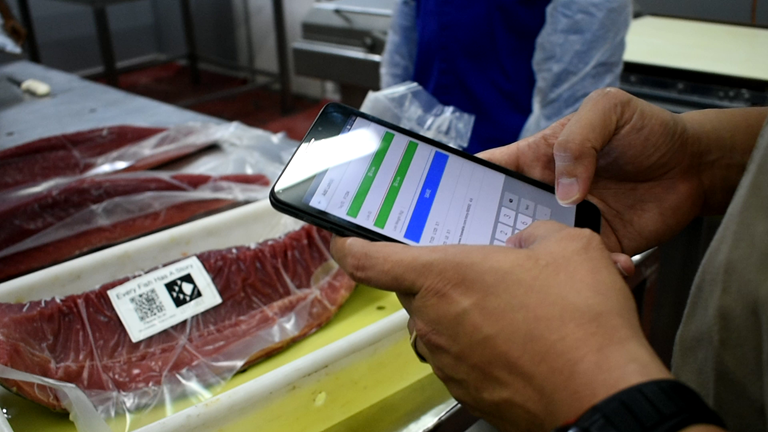
FisheriesIn partnership with World Wide Fund for Nature (WWF) and Sea Quest Fiji Ltd, Traseable Solutions contributed to a pioneering blockchain-based tuna traceability project in the Pacific—the first of its kind in the region. The initiative addressed critical challenges in illegal, unreported, and unregulated (IUU) fishing and labour transparency by enabling end-to-end digital traceability of tuna from “bait to plate.” Using a combination of RFID and QR tagging, mobile data capture, and blockchain technology, each fish was assigned a unique digital identity, with key data—such as catch location, vessel, and handling—securely recorded and shared across the supply chain. Traseable Solutions played a key technical role in implementing and localising the system for Pacific fisheries, demonstrating how emerging technologies can be adapted to real-world industry constraints. The project successfully validated blockchain as a tool for improving supply chain transparency, strengthening sustainability compliance, and enabling consumers and regulators to verify the origin and integrity of seafood products.
No projects match your filters.