
Climate & Disaster Resilience Services
Pacific Island nations are on the frontline of climate change, and effective response requires reliable data that works even in remote and low-connectivity settings. We design and implement digital data systems using human-centred methods — engaging communities, government agencies, and development organisations throughout. Our solutions help stakeholders collect, manage, and act on climate and disaster risk information when it matters most.
Enquire about this serviceWhat we deliver
- Climate data collection and management systems
- Early warning and alert infrastructure
- Community-level resilience assessment tools
- Disaster response data coordination
- Environmental monitoring dashboards
- Government and NGO reporting automation
Core capabilities
AI-Powered Analytics
Machine learning and AI tools that surface patterns, automate data processing, and turn complex supply chain data into clear, actionable insights.
Blockchain Traceability
Cloud-based traceability platforms with optional blockchain anchoring for tamper-proof, verifiable audit trails that build trust with buyers and regulators.
IoT Integration
Connect sensors, weighbridges, and environmental monitoring devices to your data platform.
Real-Time Analytics
Dashboards and reporting tools that turn raw supply chain data into actionable business intelligence.
Electronic Permitting
Digital authorisation and permitting systems for fisheries, agriculture exports, and environmental management.
Climate & Disaster Resilience Projects
2 projects in this sector
 2025-2026
 SOLKAS Digital Tools
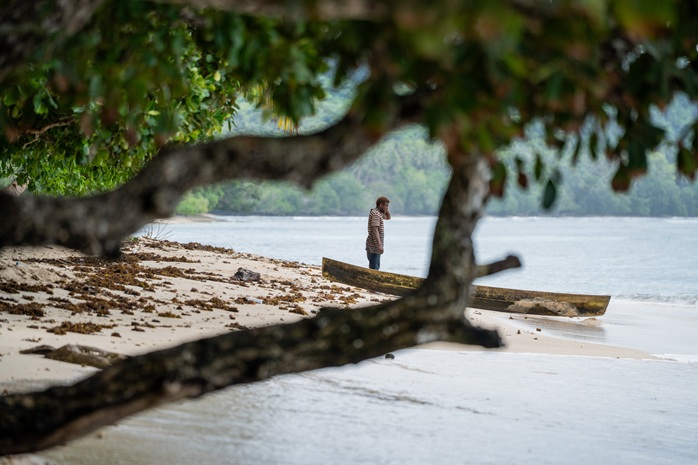
Climate and Disaster ResilienceThe Solomon Islands Knowledge-Action-Sustainability for Resilient Villages (SOLKAS) project is a national initiative strengthening climate and disaster resilience across vulnerable communities in the Solomon Islands. Delivered in partnership with the Solomon Islands Government and Save the Children, the project combines digital innovation, education, and community-led planning to address increasing risks from cyclones, flooding, drought, and sea-level rise. Traseable Solutions played a key role in designing and developing offline-first digital tools that enable remote schools and communities to receive Early Warning System (EWS) alerts in Pijin, conduct local risk assessments, and create adaptation plans without reliance on internet connectivity. Alongside this, the project supports climate-resilient livelihoods and strengthens inclusive local governance through Disaster Risk Committees. SOLKAS bridges the gap between national climate systems and on-the-ground action—ensuring even the most remote communities are equipped to respond, adapt, and thrive in a changing climate.
 2025-2026
 Risk Profiling Methodology for National Disaster Risk Management Office
Climate and Disaster ResilienceIn partnership with Pacific Resilience Consulting, Traseable Solutions is supporting Fiji's National Disaster Risk Management Office (NDRMO) and the Pacific Community (SPC) to develop a standardised, multi-hazard risk profiling methodology for use across government agencies. The core work involves converting raw hazard and vulnerability indicators — currently held in non-standard formats across siloed agencies — into a common quantifiable score that feeds into Fiji's National Disaster Risk Information System (N-DRIS) and is visualised on an ArcGIS web-based GIS platform. The methodology covers the full disaster management cycle, addressing both natural and man-made hazards, and is designed to serve as a shared standard for risk-informed business planning across government. Sustained stakeholder engagement with technical agencies including the Mineral Resources Department, Meteorological Service, and Department of Climate Change is central to ensuring the methodology is adopted and owned across the sector.
Ready to work with us on climate & disaster resilience?
Tell us about your project and we'll get back to you with ideas and next steps.