
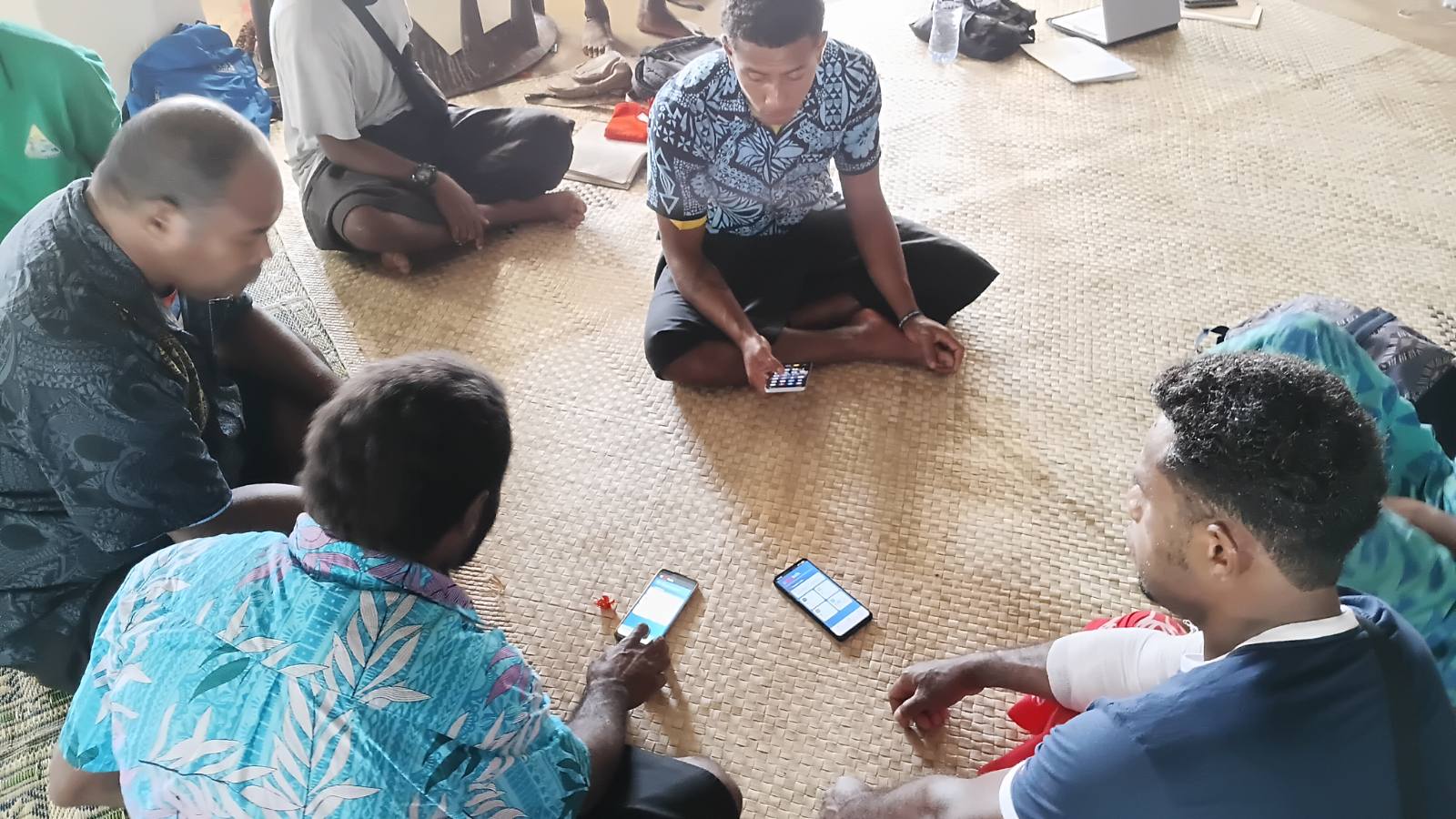
Just over a week ago on Moala Island, fishers gathered on woven mats in the village hall, phones in hand, learning how to electronically log their catch (species, weight, location, and images) into an app they had installed on their phones minutes earlier. It was a quiet moment, but for us a significant one. This was iKatch in the hands of the people it was built for, and our first coastal fisheries catch data project.
How the project came about
Conservation International (CI) approached us to design and build a system to record coastal fisheries catch data for communities in Fiji’s Lau Group. The challenge is one we’ve seen everywhere in the Pacific: coastal catch, the everyday fishing that feeds families and local markets, largely goes undocumented. Without that data, communities and resource managers are left making decisions about their own fisheries with very little to go on.
iKatch was built to help close that gap, and is being piloted across selected islands of the Lau Group.
An app and a portal
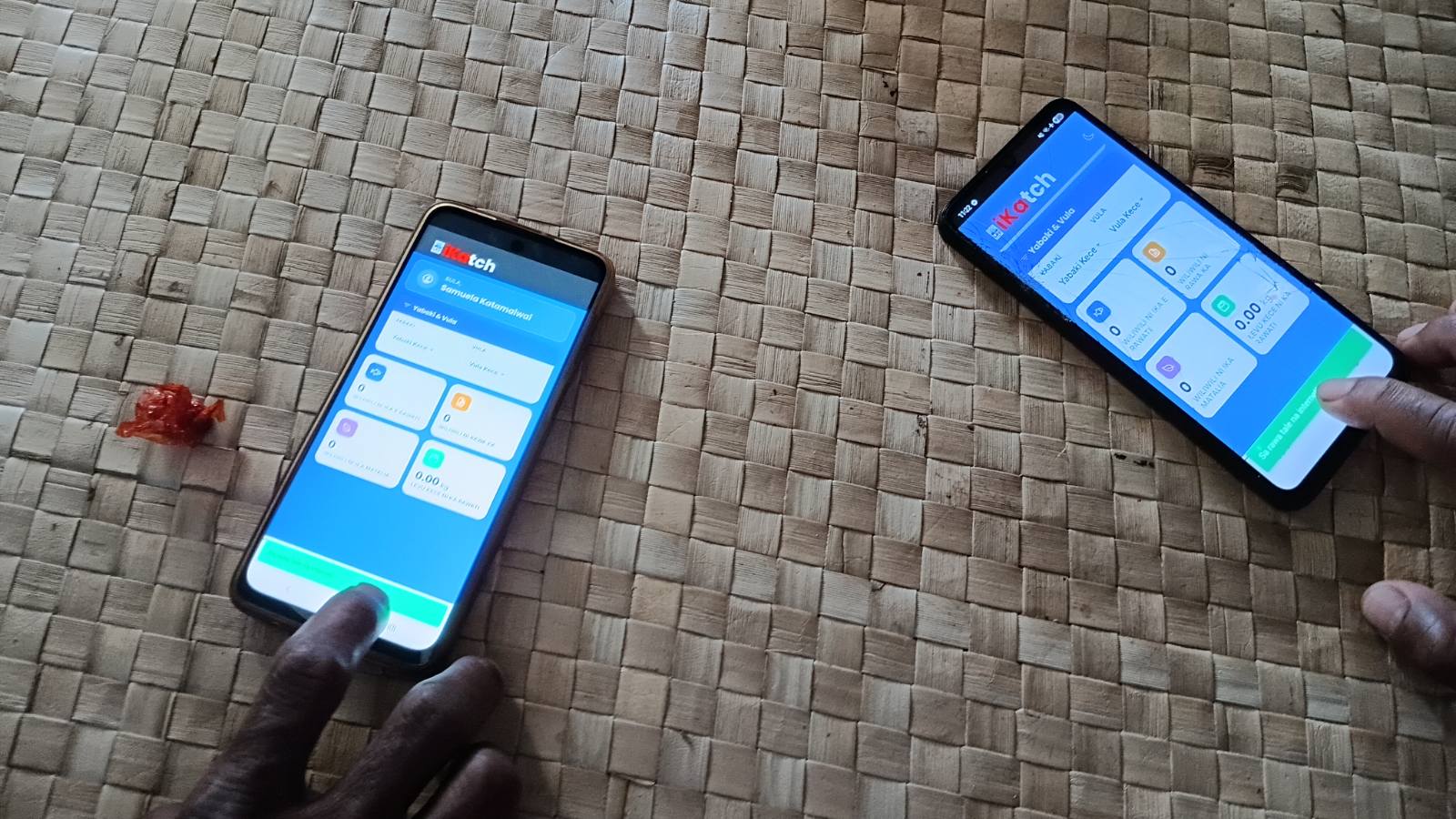
The system has two parts. The first is an Android app where fishers record their catch — selecting the species, entering the weight, marking their fishing grounds, and photographing their catch. The second is a web portal where CI officers will monitor and process those records as they come in.
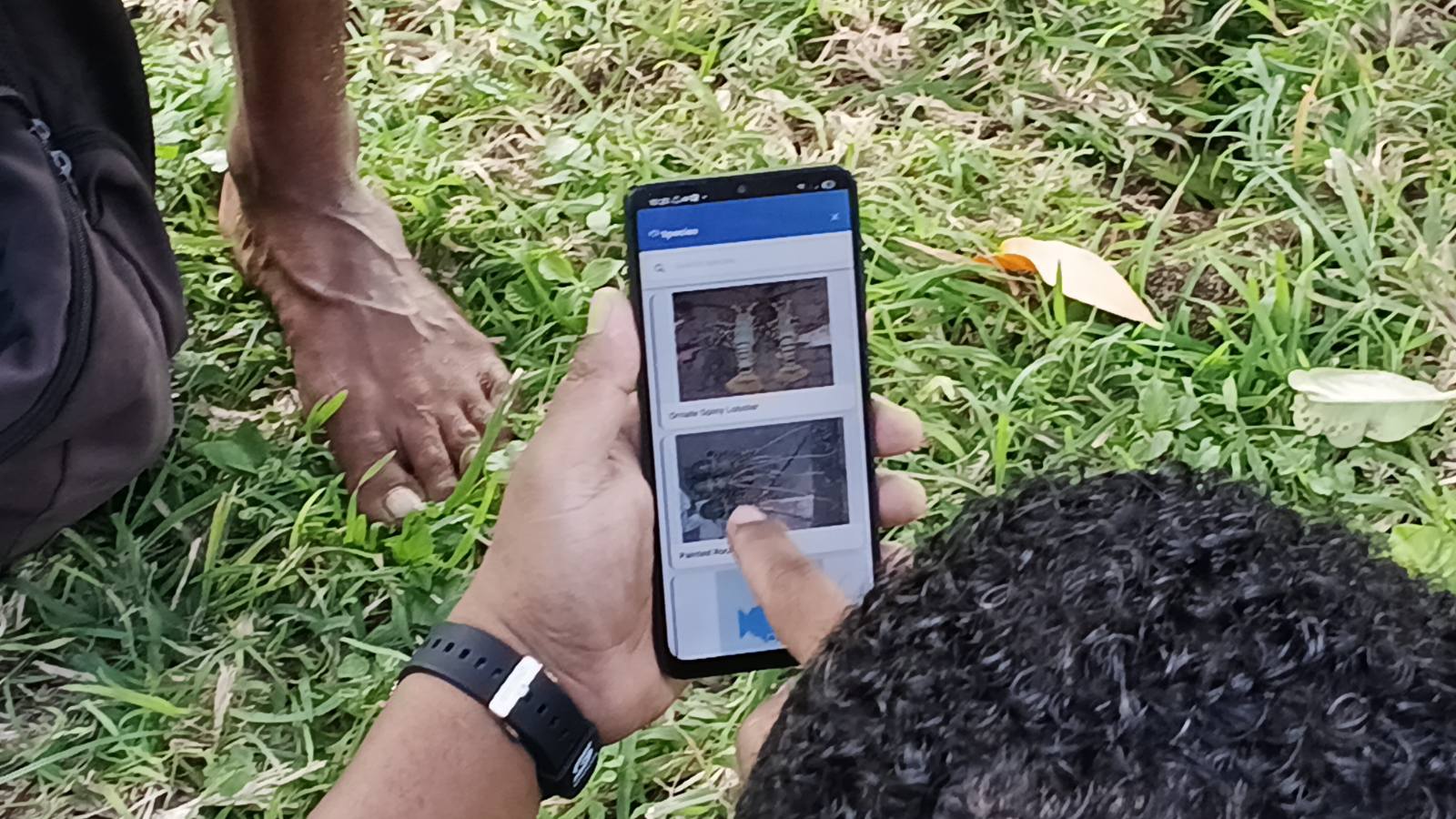
We built the app to be usable by anyone. It works in both iTaukei and English, and fishers can identify their catch from photos of each species rather than having to know a name in a list — useful when the same fish goes by different names from one island to the next.
Built for the reality of remote islands
The most important design decision was that iKatch works fully offline. On islands like Moala, internet access is limited and unreliable, so the app stores everything on the device and syncs to the web platform whenever a connection becomes available. A fisher can record an entire day’s catch with no signal at all, and the data flows through to the iKatch portal the moment they’re back online.
This is a principle we keep coming back to in our work: the tool has to fit the environment, not the other way around. Simplicity and offline-first design beat sophistication every time when power and connectivity can’t be taken for granted.
Putting it in fishers’ hands at Moala
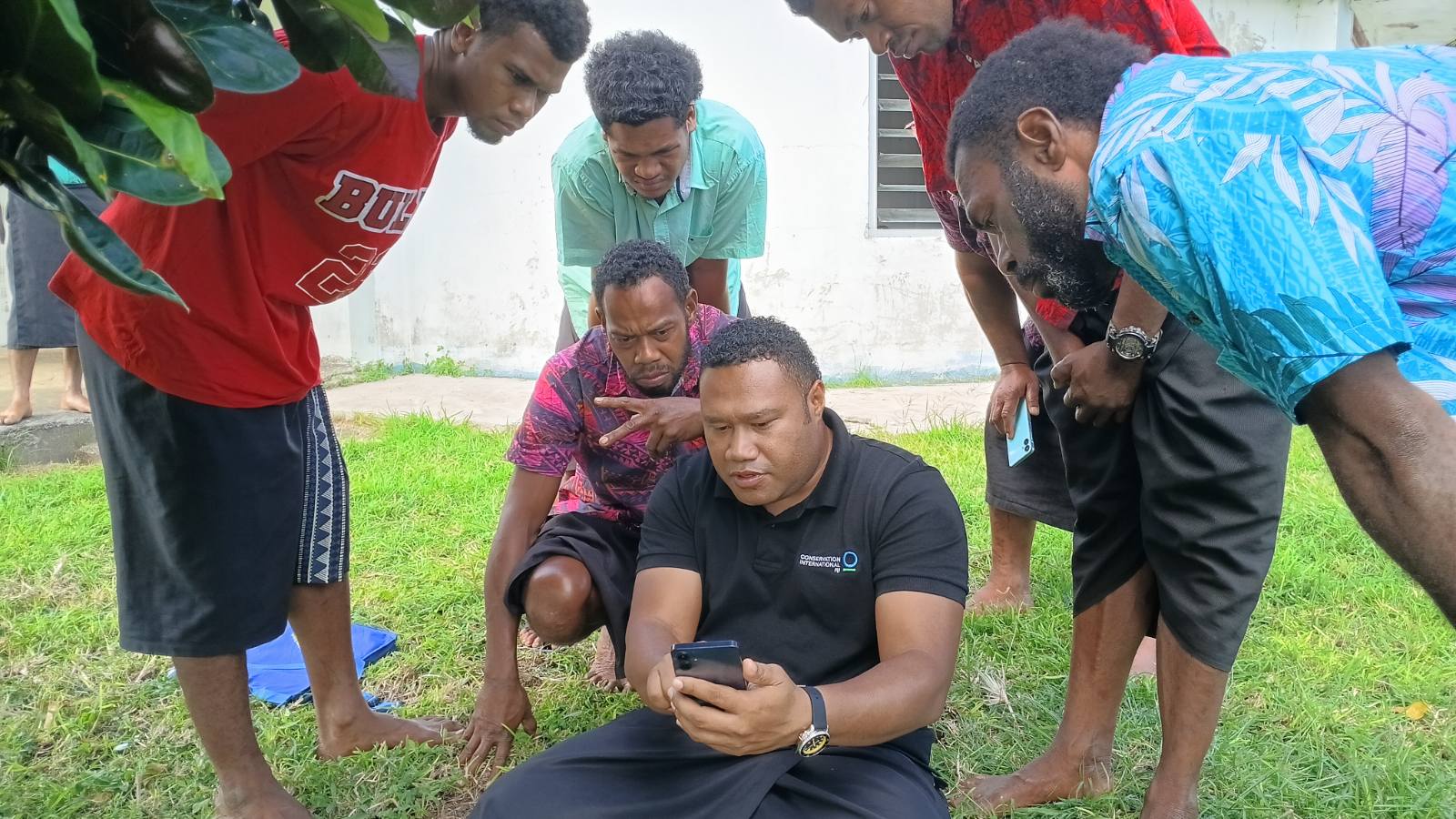
The CI team travelled to Moala, and nearby Totoya, to pilot iKatch directly with village fishers. They downloaded it onto their own phones, started logging real catch, and photographing it as they went.
Importantly, the catch data won’t disappear into a database somewhere — CI will report it back to the villages, so communities can see what’s being caught and use that picture to better understand fishing activities in their surrounding waters to ensure sustainability while also opening up commercial opportunities.
What we’re exploring next: AI species identification
Because iKatch allows fishers to take photos of their catch, every record adds to a growing library of images. We’re exploring whether that library could be used to train a computer-vision model that identifies species automatically from a photo — making data entry faster and more accurate, and lowering the barrier for fishers even further. It’s early, and very much at the exploration stage, but it builds naturally on how we already use AI across our work.
From Lau to the wider Pacific
iKatch was built initially for Lau, but the model isn’t limited to it. There’s real potential for CI and their partners to roll it out more widely across Fiji, and maybe the Pacific, if it succeeds in Lau. Regardless of where iKatch is implemented, we believe that its aim will stay the same: keep fisheries data, and the value and decisions that come with it, in the hands of the communities and nations who steward these ocean resources.
We are grateful for the opportunity to partner with Conservation International Fiji in this important work for Fiji’s coastal fisheries.
Credit: All images used in this article have been provided by the Conservation International team and also posted to their Facebook page.